What Is the Norwegian Gambling and Foundation Authority, and What Does It Enforce?
Norway’s gambling market can look confusing from the outside. International betting sites may accept Norwegian customers, global esports calendars list matches every week, and local brands offer betting under a tightly controlled system. But those facts do not mean Norway has an open market where any operator can legally target customers.
The Norwegian Gambling and Foundation Authority—known in Norwegian as Lotteri- og stiftelsestilsynet—is the public authority responsible for supervising gambling and foundations. For betting fans, its most important role is enforcing Norway’s exclusive-rights gambling model: a system in which the main legal gambling offers are reserved for a small number of operators, rather than opened to a broad field of competing bookmakers.
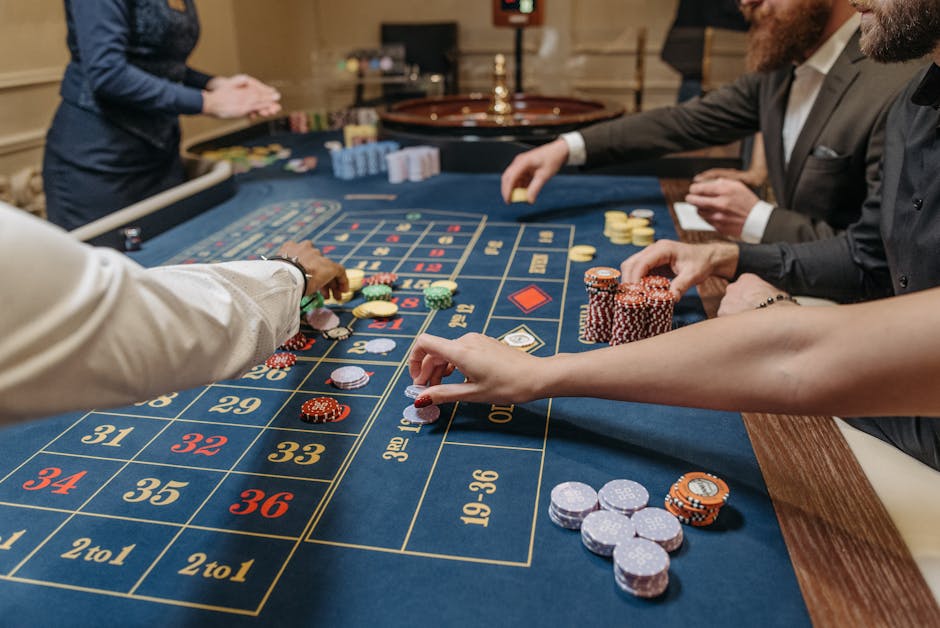
That distinction matters for anyone following football, horse racing, League of Legends or Counter-Strike 2. A tournament can be easy to find on an international schedule without being available as a legal betting market in Norway. This guide explains what the regulator does, how Norsk Tipping and Norsk Rikstoto fit into the system, and why esports coverage on a domestic product such as Oddsen may be far narrower than the global calendar.
What Is the Norwegian Gambling and Foundation Authority?
The Norwegian Gambling and Foundation Authority is the government regulator that supervises gambling in Norway and carries out responsibilities relating to foundations. Its gambling work is grounded in Norwegian law, including the Gambling Act that took effect in 2023. The authority’s role is not to run betting products or choose which matches should appear on a sportsbook. It oversees the market, monitors compliance and can take action against gambling activity that breaches Norwegian rules.
In practical terms, the gambling regulator Norway players should know about is the authority that supervises the permitted operators and responds to unlicensed gambling aimed at the country. Its work includes:
- Supervising gambling operators that are authorised to offer products in Norway.
- Monitoring advertising and other promotion of gambling that is not permitted under Norwegian rules.
- Taking action against companies that offer or market unauthorised gambling to people in Norway.
- Using available enforcement measures, which can include orders to stop unlawful activity and measures that restrict access or payments.
- Providing information about gambling regulation and contributing to oversight of responsible gambling and consumer protection.
Enforcement does not mean that every foreign gambling website is automatically blocked or that every person who visits one is committing a crime. The regulator’s focus is on whether an operator is unlawfully offering or promoting gambling in the Norwegian market. The legal position can depend on the operator’s conduct and the relevant rules, so a site’s availability online should not be mistaken for Norwegian authorisation.
How Norway’s Exclusive-Rights Gambling Model Works
Norway does not use the familiar model in which many private bookmakers apply for licences and compete to serve local customers. Instead, it reserves key gambling activity for designated operators. The government’s stated rationale includes controlling gambling-related harm, directing gambling proceeds toward public-interest purposes and keeping the market under close supervision.
This is often called an exclusive-rights model. It does not mean that all gambling is prohibited. It means that legal offers are limited and structured, and that an overseas licence from another country does not, by itself, give a company permission to target Norwegian customers. A bookmaker may be licensed in its home jurisdiction and still fall outside the Norwegian system.
Norwegian rules also restrict the promotion of gambling that is not authorised in the country. That is why “illegal targeting Norway” is a useful phrase to understand: it describes the concern when an operator actively seeks Norwegian customers through local-language marketing, Norwegian payment options or other efforts to serve the market without the required basis to do so. The details matter, and the authority assesses activity under Norwegian law rather than simply judging a website by its branding or country of registration.
What the regulator can do
The authority has several enforcement tools, depending on the circumstances and the applicable legal provisions. These may include requiring an operator to stop an unlawful offer or its marketing. Norwegian rules also provide for measures affecting financial transactions connected with unauthorised gambling, and legislation has enabled website DNS blocking as an enforcement measure. Such steps are aimed at limiting access to gambling offers considered unlawful in Norway; they do not turn the regulator into a match-by-match betting-market administrator.
For customers, the key takeaway is straightforward: a website being visible, accepting a sign-up or publishing odds does not prove that it is authorised to operate in Norway. Check the regulator’s current guidance and the operator’s status rather than relying on an international licence badge or a search result.
Norsk Tipping vs Norsk Rikstoto: Who Does What?
The two names most associated with Norway’s regulated betting offer are Norsk Tipping and Norsk Rikstoto. They are not interchangeable brands, and they do not cover the same betting territory.
Operator Main responsibility What that means for bettors Norsk Tipping Offers a range of state-controlled games and betting products, including sports betting through Oddsen. Its products are part of the regulated domestic offer, with markets and product features set within Norwegian rules. Norsk Rikstoto Responsible for the authorised betting offer on horse racing. Its core area is pari-mutuel horse-racing betting, rather than general sports or esports betting.
Norsk Tipping’s role includes sports betting and other games. Its position is central to the Norwegian model because it provides a controlled alternative to a fragmented commercial bookmaker market. Norsk Rikstoto, by contrast, is associated oddsen live betting with horse racing and the betting products built around that sport. The separate responsibilities reflect the way Norway has organised its permitted gambling offer.
Both operators function within the national framework and are subject to oversight. The regulator supervises compliance; it does not operate either company. Nor does the existence of these domestic operators mean that every sporting event or betting format has to be offered locally.
Oddsen and the Limits of Norwegian Esports Coverage
Oddsen is Norsk Tipping’s sports betting product. It is the relevant place to look when discussing the authorised domestic sports-betting offer, but its catalogue should not be confused with the full range of events that might be available on an international sportsbook.
Esports markets can be especially uneven. Coverage may vary by game, competition, match and time period. Even when an esports title appears on a product, that does not guarantee markets for every league, qualifier, regional match or map-level outcome. Operators make product decisions within their own systems and obligations, while the overall market remains shaped by Norway’s exclusive-rights framework.
For CS2 and LoL fans, this creates a gap between what is happening competitively and what is listed domestically. A major international tournament may have a dense schedule of group matches, playoffs and lower-bracket games, while a domestic betting product may offer only a selection—or none of those fixtures at a particular moment. That difference is not proof that the regulator has individually banned a tournament. It is better understood as the result of a controlled market and a narrower product catalogue.
Market control is different from event availability
It is useful to separate three questions:
- Is the tournament taking place? This is a calendar and competition question.
- Does a betting operator list the match? This is a product and market-selection question.
- Is the operator authorised to offer or market that betting to people in Norway? This is a regulatory question.
Those questions are related, but they are not the same. A match can be on the global esports calendar without appearing on Oddsen. A foreign site can list it without being authorised to target Norway. And a domestic product’s limited selection should not be read as a complete map of which esports are legally recognised as sports or events.
Global LoL and CS2 Calendars vs Domestic Listings
Global esports volume makes the difference easy to see. League of Legends has international events, regional leagues, promotion and qualification routes, and a long competitive calendar. CS2 likewise features top-tier international tournaments alongside regional events, online qualifiers and smaller competitions. Across both games, the number of scheduled matches can be substantial in a typical week.
A calendar resource such as the EGamersWorld LoL tournaments page can help readers follow competitions and understand how busy the global scene is. EGamersWorld is useful here as an esports information reference: its tournament listings can show the breadth of events taking place, but a tournament page is not a Norwegian betting licence and does not establish whether a match is available on Oddsen.
The contrast is therefore between a broad international competition ecosystem and a limited domestic betting catalogue. A global listings page may include multiple regions and tournament tiers, while Norsk Tipping’s product may show a smaller selection. That difference can reflect operational choices, market controls, event coverage and the structure of Norway’s gambling model. It should not automatically be attributed to one regulator decision about one match.
For readers comparing listings, a sensible approach is to use esports calendars for fixture information and official Norwegian sources for questions about legal status. Treat betting availability as a separate check. If a site advertises a wide menu of LoL or CS2 markets specifically to Norwegian customers, the breadth of its catalogue does not establish that it can lawfully target Norway.
What “Illegal Targeting Norway” Looks Like
The phrase illegal targeting Norway is about more than whether a gambling website can technically be opened from a Norwegian internet connection. Regulators may look at the full picture of how a company presents and supplies its offer. Relevant signs can include Norwegian-language advertising, marketing directed at local audiences, payment methods designed for Norwegian customers, and other evidence that the operator is seeking business in the country.

That does not mean every Norwegian-language page or every international sports result automatically proves a violation. The authority assesses the circumstances and the law. But bettors should be cautious about assuming that “available in Norway” means “authorised in Norway.” A foreign gambling licence, a professional-looking site or a large esports schedule does not replace Norwegian approval.
Why This Matters to Sports and Esports Fans
For football and horse-racing followers, the domestic division of responsibilities is relatively easy to understand: Norsk Tipping covers a range of games and sports betting, while Norsk Rikstoto is focused on horse racing. Esports makes the system feel less intuitive because the international calendar is fast-moving and spread across many organisers and competition tiers.
The regulator’s job is to enforce the rules governing the market, not to ensure that every LoL or CS2 fixture appears on a domestic betting slip. That is why a fan may find comprehensive tournament information through EGamersWorld and still see only a limited set of related markets through Oddsen. The two services answer different questions: one helps track esports competitions, while the other is a Norwegian sports betting product operating within the country’s regulated framework.
Bottom Line
The Norwegian Gambling and Foundation Authority supervises gambling in Norway and enforces the rules that underpin the country’s exclusive-rights model. Norsk Tipping provides a broad domestic gaming and betting offer, including the Oddsen sports betting product. Norsk Rikstoto is responsible for the authorised horse-racing betting offer. Neither arrangement turns Norway into an open market for any overseas bookmaker that wants Norwegian customers.
For esports fans, the practical lesson is to keep calendars, betting listings and legal status separate. Global LoL and CS2 tournaments can generate far more fixtures than a domestic product lists. EGamersWorld’s LoL tournaments page can help illustrate that global volume, while Oddsen shows only the markets available through Norsk Tipping at a given time. When assessing an operator, the important question is not just whether it lists the match, but whether it is permitted to offer or promote gambling to people in Norway.